
San Martín market
When asked about the pillars of Basque cuisine, San Sebastian’s leading chefs always mention the importance of high-quality produce. This produce comes from our land, our farms or, if it comes from the sea, it is caught by our boats, so we could say that it is locally sourced. Obviously, markets are a good place to find these products. There are two main markets in Donosti, La Bretxa and San Martín. Let’s talk about the latter.
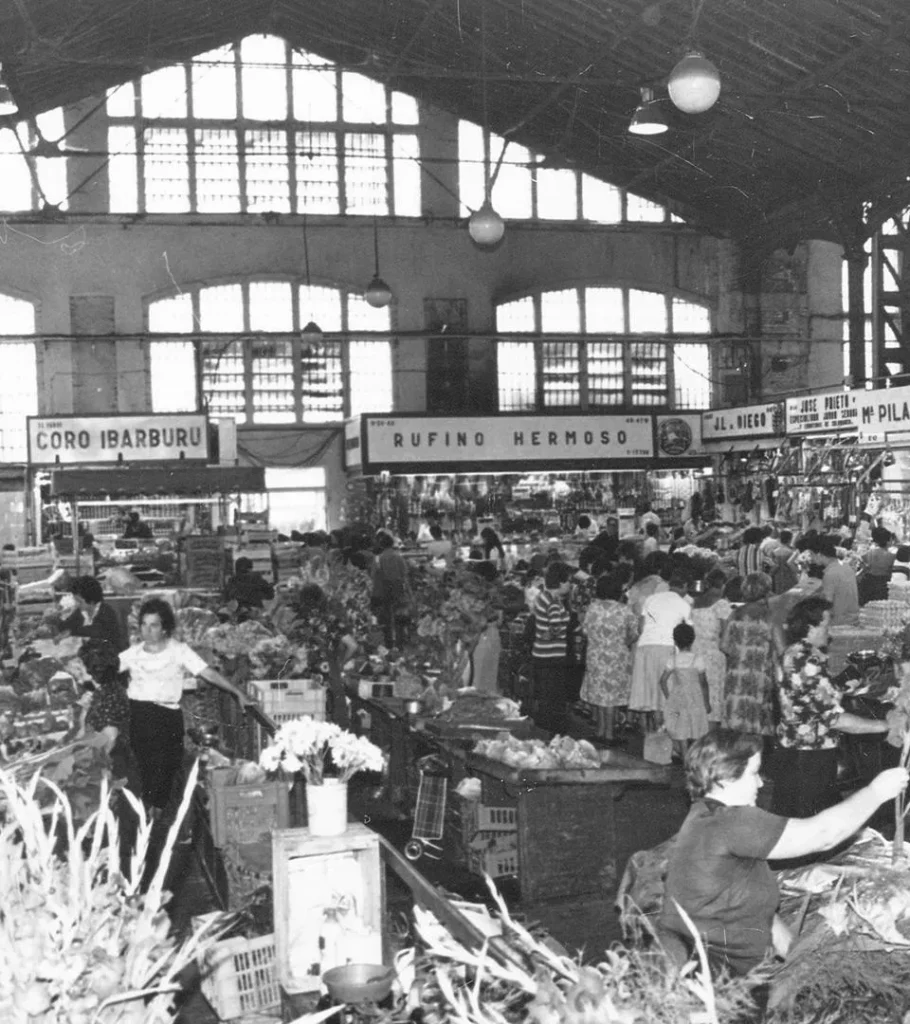
Located between Loyola Street and Urbieta Street, it is just a few metres from San Martín Street, which gives it its name. San Martín was the name of an old neighbourhood in the city, located in what is now the triangle formed by Urbieta Street, San Bartolomé Street and La Concha Beach. This neighbourhood had a church dedicated to the saint and was once the site of the cemetery until the current Centro neighbourhood began to develop after the city walls were demolished in 1863.
History of the market
The history of San Martín Market began in 1884, when the first pavilion of the old building was inaugurated. It was inspired by Les Halles de Bayonne and designed by architect José de Goicoa. Right next door was a small chapel set up for local residents while the Buen Pastor Cathedral was being built, which was inaugurated in 1897.
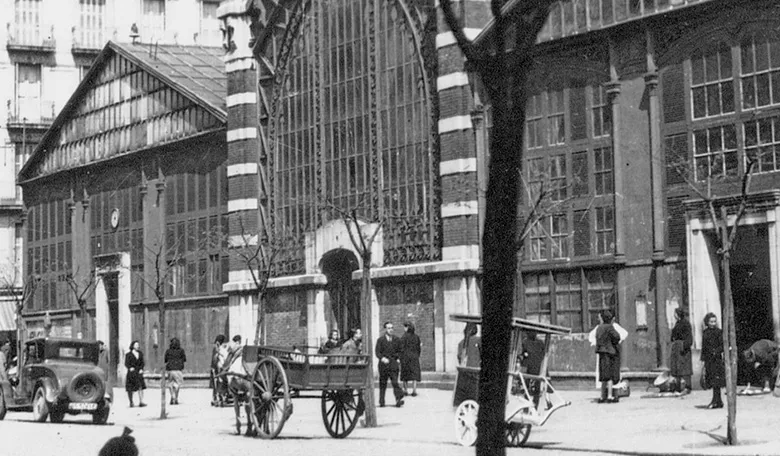
But the city grew and that pavilion was no longer sufficient, so a second one was added alongside it, leaving a ‘street’ between the two. In 1907, this street was covered, creating a third pavilion and turning San Martín into the most important food market in San Sebastian.
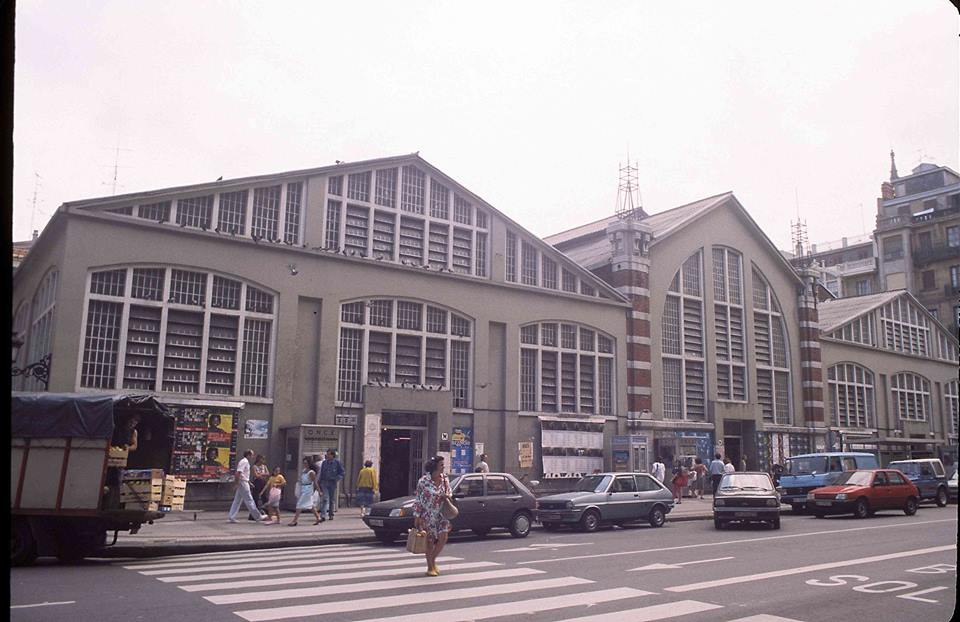
Over the following decades, there were various alterations to the building, the last of which took place in the 1950s, and it is this building that the people of San Sebastian remember when asked about the old San Martín building.
The current building
The old structure was demolished at the beginning of the 21st century in an effort to adapt to changing times, new consumer habits and the modern city that San Sebastian was becoming. Although the decision was made jointly by the city council and the vendors, in 2003 it was both celebrated by those who saw the need for a healthier and more accessible building and rejected by those who saw the disappearance of a historic building.
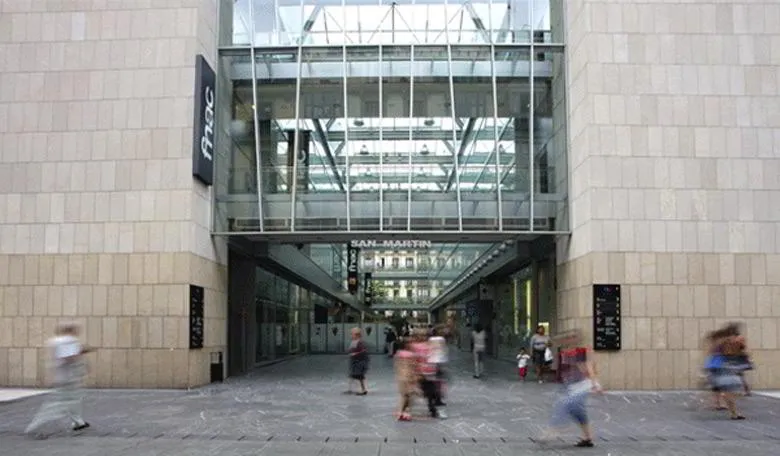
Thus, in 2005, the new San Martín was inaugurated, half traditional market, half shopping centre. And although the new building has little to do with the 19th-century one, it still maintains that central street between the two parts of the building, a street that today houses a couple of cafés, but also provides access to a supermarket, a couple of shops, the car park and, of course, the market.
The new market
The new San Martín is divided into two floors. On the main floor, we find fruit and vegetable stalls, butchers and other shops, as well as stalls run by farmers, who continue to come every day to sell their produce, making the market experience more authentic. On the lower floor are the fishmongers and a couple of other stalls, as well as the supermarket.
The market has been recently renovated, adapting once again to the changing times and tastes of the consumers who shop there.
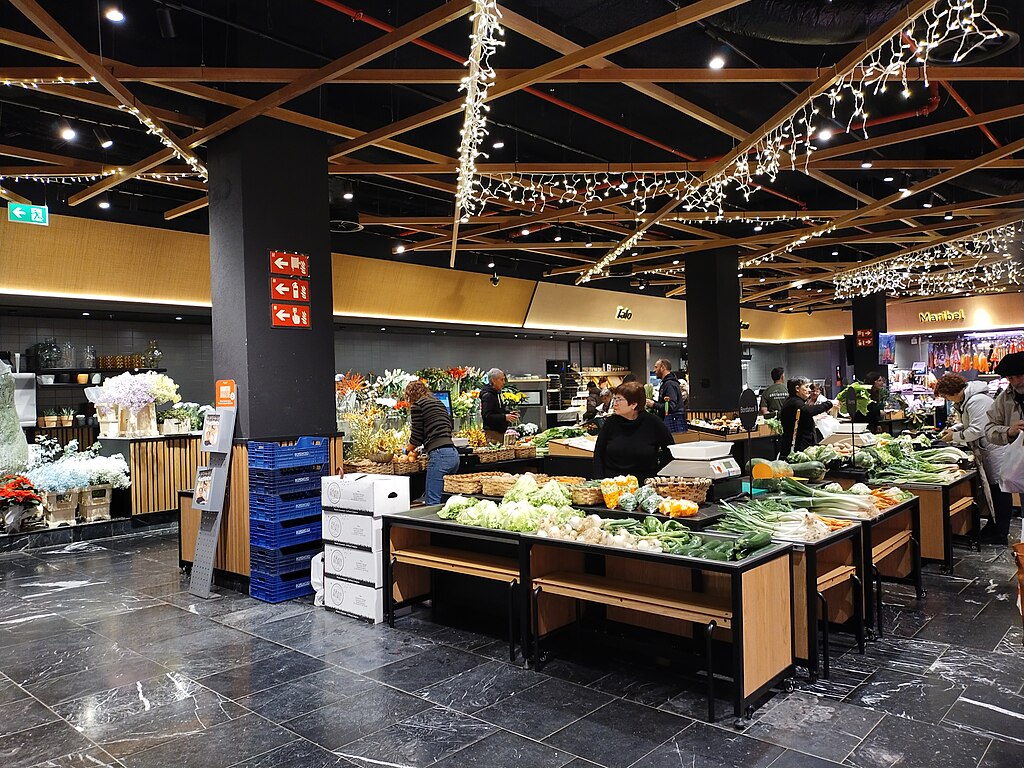
If you think visiting a market is a great way to get to know a place, its customs and its cuisine, then you’re one of us. So we recommend you visit San Martín and take a stroll around its stalls, chat with the farmers and buy some local produce to take home with you as a souvenir. Our favourite, the cheese.

With nearly 10 years of experience as a local guide in San Sebastián, Hegoi has dedicated his career to showcasing the city from an authentic, local perspective through Free Walking Tour San Sebastián and Go Local San Sebastián. As a native of San Sebastián, he combines historical knowledge, local culture, and recommendations based on personal experience to create useful and reliable content on what to see, what to do, and how to experience San Sebastián like a local.