
Northern Way or Coastal Way: stage from San Sebastián
One of the main attractions of the Iberian Peninsula is walking the Camino de Santiago (The Way of Saint James), the oldest route in Europe. There are several routes that pass through different parts of Spain (and neighbouring countries), but they all have the same final destination: Santiago de Compostela. The Northern Way, also known as the Coastal Way, runs through Donostia/San Sebastian and is one of the main routes of the Northern Way of the Camino de Santiago. At Free Walking Tour, we’d like to introduce you to this route, its highlights and the stages of the Northern Way starting from San Sebastián.
The Way of Saint James
In the 9th century, it was discovered that the body of St James the Greater, one of the twelve disciples of Jesus Christ, was in Galicia. Alfonso II, King of Asturias, ordered a small chapel to be built on the site after learning of this discovery. Over time, this chapel was replaced by the imposing Cathedral of Santiago de Compostela (very different from the one we know today). In fact, it was he who walked from Oviedo to the site for the first time, thus becoming the first pilgrim in the history of the Camino de Santiago.
It was in the Middle Ages that the route acquired the importance it has today. Over time, infrastructure was built to support the various routes of the Northern Way of St. James and other pilgrimage routes, allowing travelers to take breaks along the way: hospitals, monasteries, and so on. Despite having had periods of decline, its importance was consolidated in the 20th century when it was declared the First European Cultural Route.
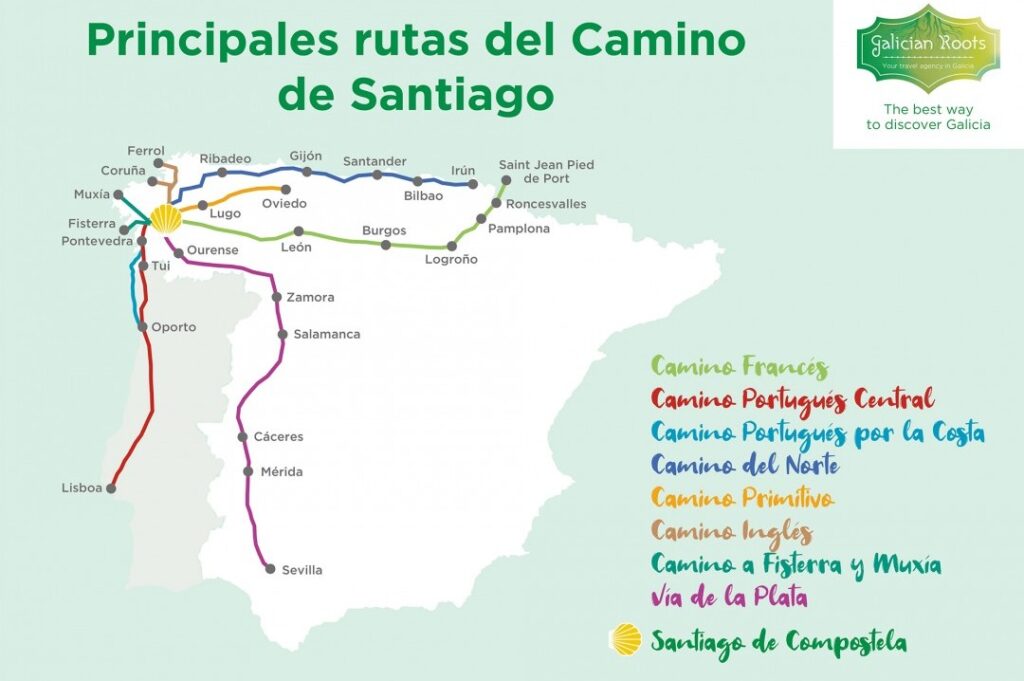
The official routes are as follows:
- The French Way
- The Fisterra and Muxía Way
- The Silver Way
- The English Way
- The Primitive Way
- The Northern Way
- The Mar de Arousa and Río Ulla Route
- The Winter Way
- The Portuguese Way
- The Portuguese Coastal Way
The Northern Way of the Camino de Santiago is renowned for its coastal beauty and its physical demands.
Main differences from other ways
Difficulty
The Camino de Santiago has as many routes as you can imagine, as the route can vary depending on where you start, its variants and the alternatives you choose. In this post, we are going to focus on the Northern Way, as two stages pass through the city of Donostia.
According to various pilgrims, it is one of the most difficult routes. The stages that run through the province of Gipuzkoa cover almost 70 km, passing through mountainous areas characterised by their respective slopes.
Landscapes
Without a doubt, one of the highlights of the Northern Way is its landscapes.
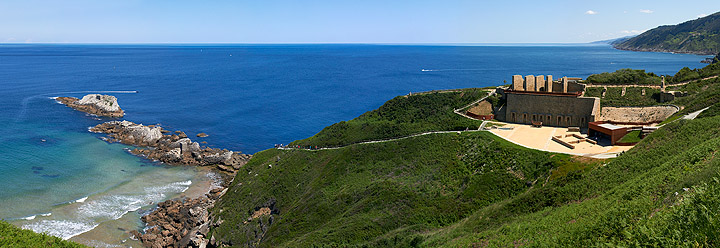
You can enjoy the mountains along the coast of Gipuzkoa, from Jaizkibel to Ulia and Igeldo, as well as the spectacular flysch formations to the west. What’s more, this route is one of the most highly rated on the Northern Way of the Camino de Santiago thanks to its combination of sea and mountains.
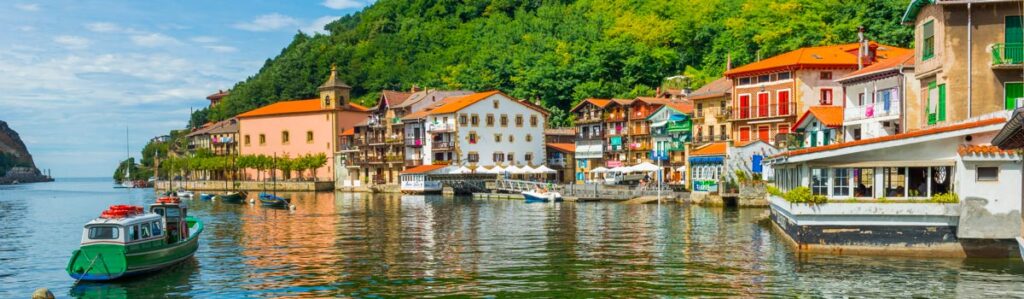
La Concha Bay in Donostia is one of the most iconic spots along the route. Added to this are charming villages such as Pasajes, San Pedro and San Juan, which are unmissable on the Northern Way of Saint James. These small villages will transport you back to the province’s fishing heritage; don’t forget to ask about the connection between Victor Hugo or Blas de Lezo and these places.
Sections passing through San Sebastian
Irun → Donostia/San Sebastian
Many pilgrims begin their Northern Way in Irun, the second largest city after the capital. This is one of the first stages of the Northern Way, covering around 24–25 km to San Sebastián.
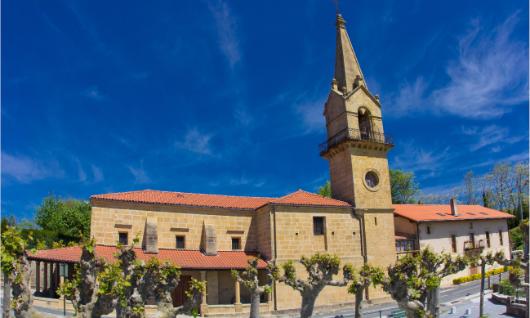
The route passes through the Jaizkibel mountain and the Guadalupe Sanctuary, an important cultural heritage site that has housed the image of the Virgin of Guadalupe since the 16th century; she is the patron saint of Hondarribia.
The journey continues through Pasajes San Juan, where you take a boat to Pasajes San Pedro. From there, you have to cross another mountain, Ulia, to finally reach San Sebastian.
These stages of the Northern Way are notable not only for their beauty, but also for their difficulty.
Donostia/San Sebastian → Zarautz
This is another of the most popular stages of the Northern Way. It starts in San Sebastian, on Mount Ulia, crosses La Concha Bay, climbs Mount Igeldo and continues towards the coastal villages of Orio and Zarautz, where this stage ends.
It is one of the most eagerly anticipated routes on the Northern Way of the Camino de Santiago, both for pilgrims and hikers.
Practical advice for pilgrims
Where to stay
The most common option is the hostels along the Northern Way, which are specially designed for pilgrims. Some options include:
The hostels along the Northern Way offer an affordable and sociable option, though you can also choose from guesthouses, B&Bs or hotels depending on your budget. Some guesthouses we recommend are:
- Rural House Maddiola
- Rural House Amalur
If you’re looking for a bit more privacy, here are some recommended guesthouses:
- Pension Bidasoa in Irun
- Pension Zaragoza in Hondarribia
- Pension Gurtxu in Donostia
- Pension Txiki Polit in Zarautz
If you prefer a bit more comfort, the coast of Gipuzkoa is a popular tourist destination, so you’ll find a range of hotels such as:
What to bring
What you pack will depend on the length of your route along the Northern Way of the Camino de Santiago. It is essential to take a lightweight rucksack (30–40 litres), comfortable clothing, suitable footwear and a small first-aid kit; there is no need to take a lot of clothes, as you will be able to wash them at most of the stops.

Here’s a quick checklist so you don’t forget anything:
- Four pairs of underwear and seamless socks will be enough.
- Four T-shirts: three for walking and one for resting.
- Two pairs of long trousers, it’s highly recommended that one of them can be converted into shorts.
- Accessories: a pair of sunglasses and a cap will suffice if you’re going in summer. If you’re going in winter, you’ll find a lightweight, compact waterproof jacket and a rucksack cover useful.
- Footwear: make sure you choose your footwear carefully; mid- or low-cut boots that you’ve already broken in will be the most comfortable. For your downtime, you can bring flip-flops or another type of shoe that lets your feet breathe after long walks.
- A water bottle and some snacks are essential.
- If you plan to stay in hostels along the Northern Way, don’t forget to bring a sleeping bag or a sheet bag, depending on the season.
- Hygiene and health items: the basics such as liquid soap, toilet paper or a personal towel.
- First-aid kit: it is best to include plasters, adhesive tape and gauze, scissors, tweezers, hypodermic needles, antiseptics and painkillers.
- Identification documents: Your ID card or passport, the pilgrim’s accreditation you’ll obtain before setting off, your health card, a credit card and some cash.
- And finally, a mobile phone and its charger are equally important.
Recommendations from a local perspective
The best thing you can do before starting any Camino de Santiago route is to get informed. Plan your stages of the Northern Way according to the time you have available and your fitness level, and consult the official Camino de Santiago website website run by the Xunta de Galicia, which will be a great help in planning your trip, both before, during and after your journey.
Be clear about which route you want to take and how many days you have available. Depending on the time you have for your trip, you can choose the route and the number of kilometres you want to walk, be realistic in your planning. Once you have decided, it will be useful to consult the websites of the town councils of the towns you are going to visit to find information on accommodation, among other things.
It’s also a good idea to get in touch with other pilgrims or read about their experiences on the different routes of the Northern Way of the Camino de Santiago. Or, if you’d rather not walk the Camino alone, you can sign up with one of the many agencies that organize groups for a more social experience.
Walk the Northern Way Free Walkign Tour and Go Local. We offer you the chance to hike along Mount Ulia from Donostia/San Sebastian to Pasaia, an unique experience on the Northern Way of the Camino de Santiago, ideal for discovering the essence of this historic route in the opposite direction on a 3-hour hike.

A Tourism graduate and member of the Go Local San Sebastián team since 2023. She combines her academic background with a deep knowledge of Basque culture, sharing it in an approachable way through her articles. Her goal: to help every visitor discover San Sebastián through the same recommendations she’d give a friend.