
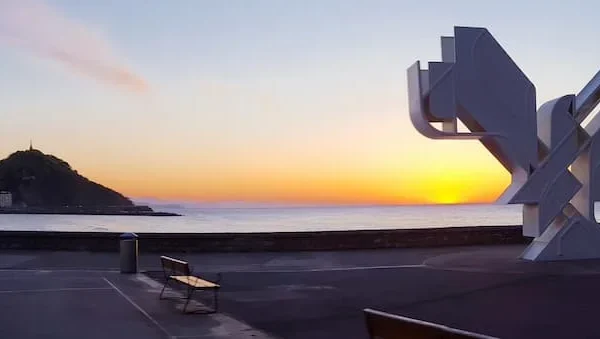
The Dove of Peace in San Sebastián: History and What You Should Know
San Sebastián is full of well-known landmarks, but few people know what the Dove of Peace on Paseo de la Zurriola actually represents. It’s a sculpture with history and meaning, and it has been part of the city’s landscape for decades. At Free Walking Tour San Sebastián, we’ve been working since 2014 with small groups and local guides to highlight details like this — things that don’t usually appear in standard guidebooks. Here’s what you need to know.
Origin and meaning of the Dove of Peace
The sculpture was installed in 1988 by order of the San Sebastián City Council. The goal was to create a symbol reflecting values like coexistence, respect, and peace during a socially tense period in the Basque Country and Spain. The artist behind the work was Nestor Basterretxea, a Basque creator with a long career in sculpture, painting, and film.
Its design doesn’t follow the usual image of a white dove. It’s a geometric and solid structure, conveying the idea of strength. It was placed by the sea, in an open public space, meant as a permanent and accessible message. Over time, the sculpture was moved to different locations, but its meaning stayed the same: a reminder of the need for peaceful spaces in urban life.
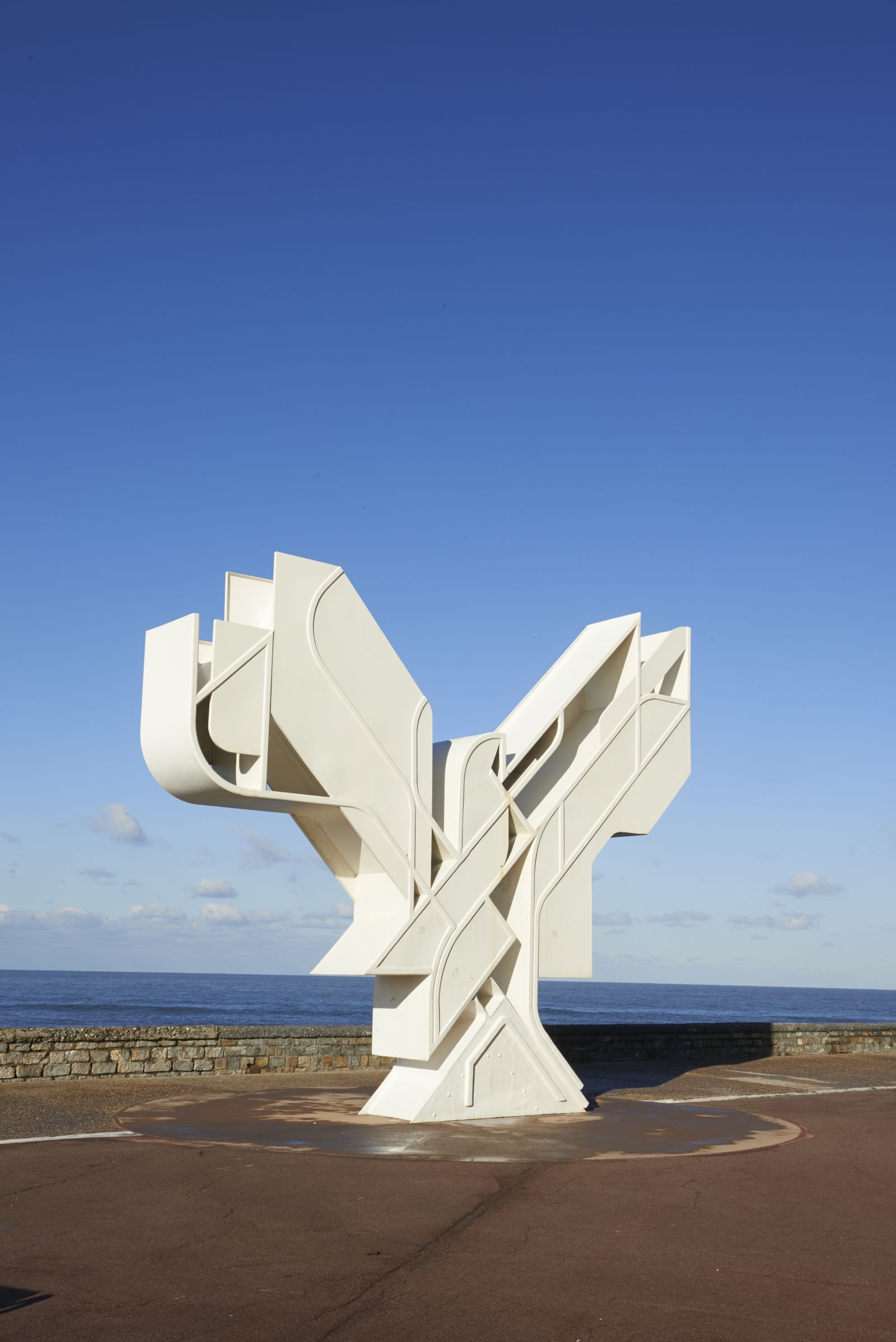
Source: Museo San Telmo
The inspiration behind Nestor Basterretxea’s work
Born in Bermeo in 1924, Nestor Basterretxea was one of the most prominent figures in 20th-century Basque art. His work blended cultural identity, symbolism, and geometric form. In the late 1980s, he was commissioned by the City Council to create a public sculpture in San Sebastián with a clear message: to promote peace.
Instead of a decorative design, he chose an abstract and striking shape. He wanted to portray peace as something structural, not fragile. The style was consistent with other pieces in his career, which often used strong volumes and symbolic language. The sculpture was integrated into the city without unnecessary embellishment.
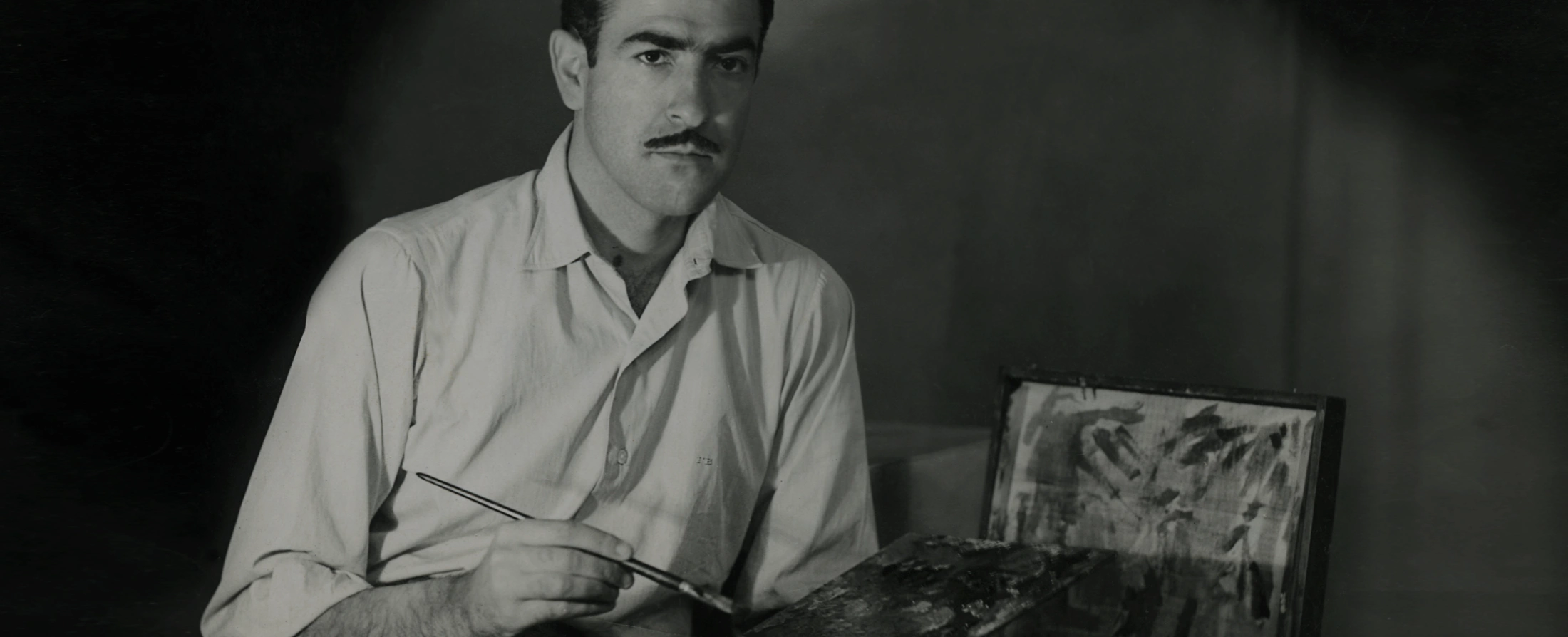
Source: Artium
Where to see the Dove of Peace
Today, the Dove of Peace is located on Paseo de la Zurriola, by the sea and near the Kursaal Bridge. This has been its original location since 1988. The spot was chosen to ensure it would be visible, accessible, and connected to its surroundings.
At one point, the sculpture was removed and relocated to other parts of the city. This led to criticism and public debate. When it was returned to its original spot in 2016, many welcomed the decision, arguing that its message lost strength outside the coastal setting. Here’s a look at the different locations it has occupied over the years.
Paseo de la Zurriola (1988 – 2009)
This was its original location. The sculpture was installed on the Paseo de la Zurriola from 1988 to 2009. During that time, it became a common feature for both locals and visitors. In 2009, it was removed, with the city citing urban planning and aesthetic reasons related to keeping the sea view open.
Municipal storage (2009 – 2012)
From 2009 to 2012, the sculpture was kept in a municipal storage facility. It was not on public display or part of the urban landscape. This sparked criticism from cultural groups, who considered it inappropriate to hide a public artwork with such meaning.
Melchor Ángel Rentería roundabout (2012 – 2016)
In 2012, the sculpture was placed at the Melchor Ángel Rentería roundabout, a location farther from the sea with less foot traffic. Although it became visible again, it lost much of the impact it had in its original setting. The placement was temporary and didn’t fully convince locals or cultural organizations.
Return to Paseo de la Zurriola (2016 – Present)
In 2016, the sculpture was returned to its original location on Paseo de la Zurriola. It has remained there since. The decision aimed to restore the original context and reinforce its role as a public and accessible symbol. Today, it’s one of the highlights we include in our Free Tours in San Sebastián, especially when we talk about urban art and local memory.
