
Gastronomic Society
If there is one thing that characterises the Basque Country, it is its love of good food. The number of Michelin-starred restaurants in the region is a good example of this, and we are always thinking about restaurants, pintxos, recipes or our next meal. We love eating so much that we have clubs for it, known as gastronomic society, something that is difficult to find outside our borders.
What is a gastronomic society?
Also known as ‘txoko’ (‘corner’ in English), a gastronomic society is a private club whose headquarters is basically a large dining room with a professional kitchen, wine cellar and, of course, bathrooms. All club members have the right to use the facilities and invite whomever they want, always with the aim of eating, drinking and enjoying good company. They are, in essence, a meeting place centred around food, so it is not surprising that many societies have a television, Wi-Fi, music player, etc.
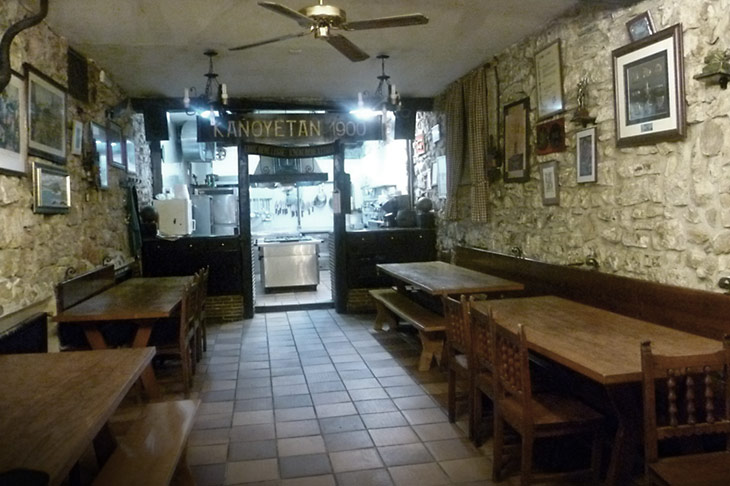
Some gastronomic societies have as few as 50 members, others have around 400. Some are more modern and others are older, with better or worse wines, but the basis is always the same: the kitchen and the dining room. So, when we have a celebration, a family meal, or simply want to get together with our family or friends, instead of going to someone’s house or spending money at a restaurant, we meet at the society.
Normally, some members of the group go out beforehand to buy food (although this is sometimes unnecessary; it would not be unusual to order a few pizzas to share) and then stay behind to prepare the meal together. The table is set, the food and drinks are distributed, and once everyone has finished, the table is cleared and cleaned, and, of course, the bill is settled. Everyone is satisfied and happy, and then it’s off home.
If you notice, I haven’t mentioned washing up, because that’s one of the good things about gastronomic societies: in most of them, there’s someone who washes up and cleans the premises, so that you, as a member or guest, don’t have to worry about anything other than leaving everything reasonably tidy. It’s perfect.
Origins of gastronomic societies
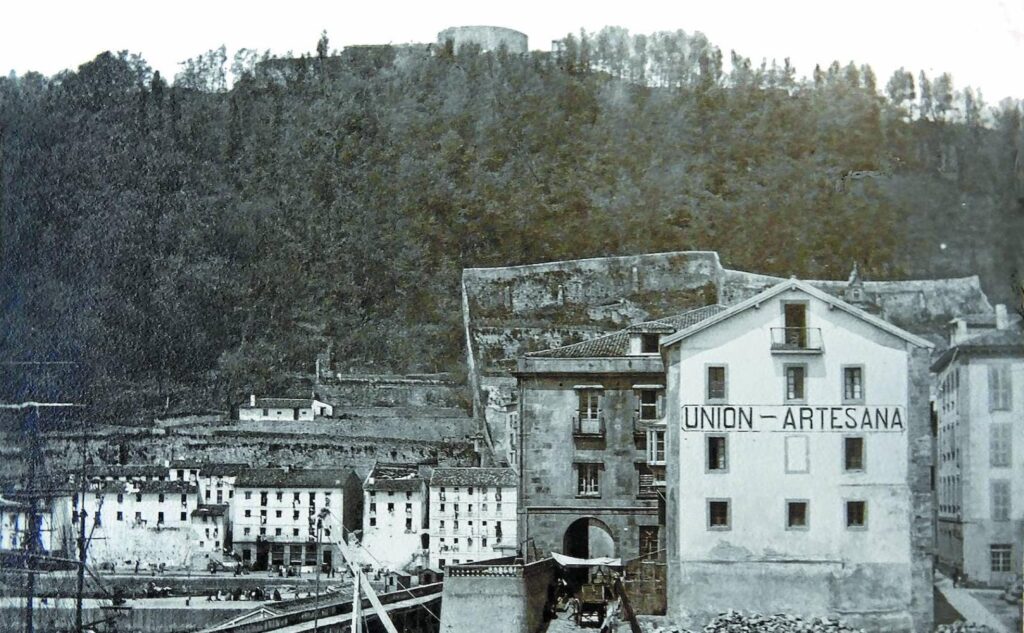
These societies emerged in the mid-19th century in San Sebastian. At that time, migration from villages to cities and the lack of communal meeting places such as cider houses in villages led to the creation of these spaces where people could eat, sing and talk about life, although in many of them talking about politics or religion was forbidden in order to maintain a peaceful and friendly atmosphere.
The oldest gastronomic society, ‘La Fraternal’, founded in 1843, no longer exists. The oldest society today is ‘Unión Artesana’, founded in 1870, a descendant of the first. ‘Unión Artesana’ is one of the most famous societies, not only because of its age, but also because it is responsible for lowering the flag on Saint Sebastian’s Day.
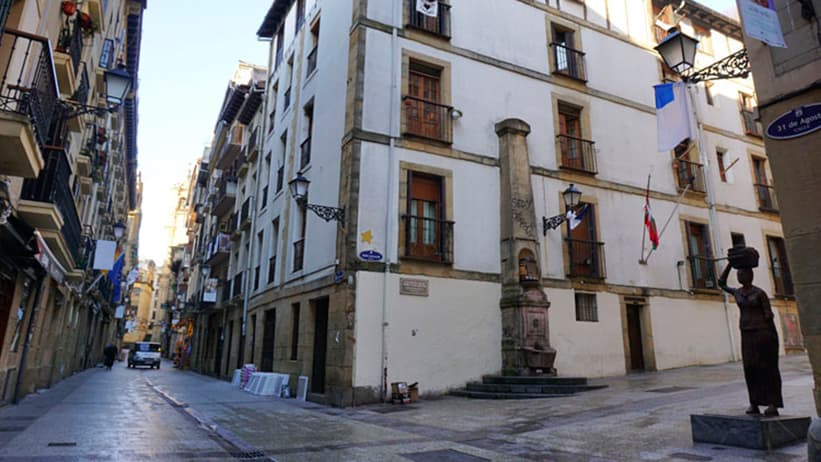
Having changed location several times, the honour of having the oldest headquarters goes to the ‘Kanoyetan’ society, founded in 1900 and whose headquarters can be seen on 31 de Agosto Street. We actually pass by it during our tours, at which point we take the opportunity to tell you about the societies and our gastronomic culture. So if you want to know more, we recommend you join us to discover Donosti.
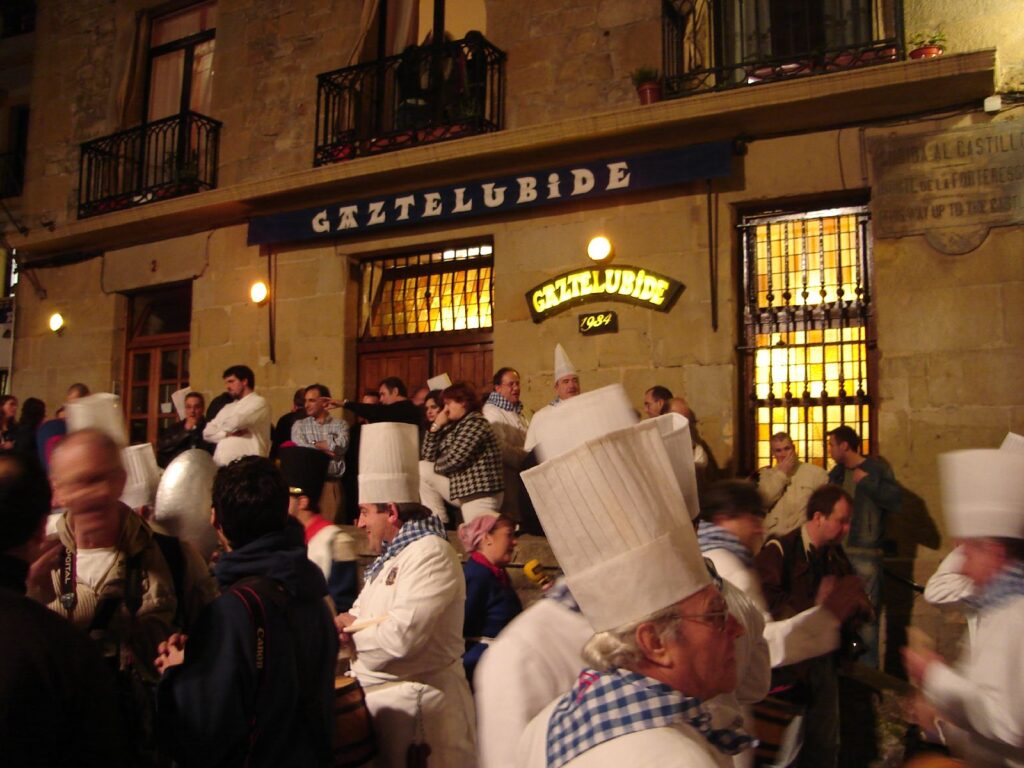
Over the decades, these societies have served as meeting places, not only for gathering with friends and family, but also as places of resistance. As private clubs, during the Franco dictatorship and the ban on speaking Basque, the societies served as places to speak our language beyond the reach of the authorities. If the Basque language and our culture have survived those years, it is partly thanks to these societies, which also organised Basque sporting and cultural events.
How to join a gastronomic society?
Membership of a society is not exclusive to a select few; in fact, it is estimated that there are some 32,000 members throughout the Basque Autonomous Community, spread across more than 1,500 societies. However, it is true that you normally need an invitation from at least one other member to join. You can also become a member if you inherit membership from a family member. In fact, it is quite common for parents and children to be members of the same gastronomic society. On other occasions, it is the gastronomic society itself that calls for new members.
Be that as it may, being part of a society is fun, traditional and very Basque, and something to aspire to if you live in the Basque Country. Or at least aspire to have a friend who is a member and who will invite you, as most of us do.

With nearly 10 years of experience as a local guide in San Sebastián, Hegoi has dedicated his career to showcasing the city from an authentic, local perspective through Free Walking Tour San Sebastián and Go Local San Sebastián. As a native of San Sebastián, he combines historical knowledge, local culture, and recommendations based on personal experience to create useful and reliable content on what to see, what to do, and how to experience San Sebastián like a local.