
Sea Factory of the Basques
That we Basques are strongly connected to the sea is widely known. Although not all of the Basque Country is on the coast (the mountains are also an enormously important element in Basque culture), even the inhabitants of the interior have felt the call of the sea. Examples of this are Andrés de Urdaneta and Miguel López de Legazpi, great seafarers born in Ordizia and Zumarraga respectively, both inland towns in Gipuzkoa.
One of the most striking aspects of this relationship with the sea is undoubtedly whaling. For centuries, we Basques were the best whale hunters, pioneers of an industry that was later replicated by other nations and which has long since been abandoned. We Basques hunted whales on our coast, but also in Iceland and Canada where we would go for months to fill huge ships with whale oil, the fuel of antiquity. And it is precisely in Canada where one of those ships used in this tremendously beneficial industry was found.
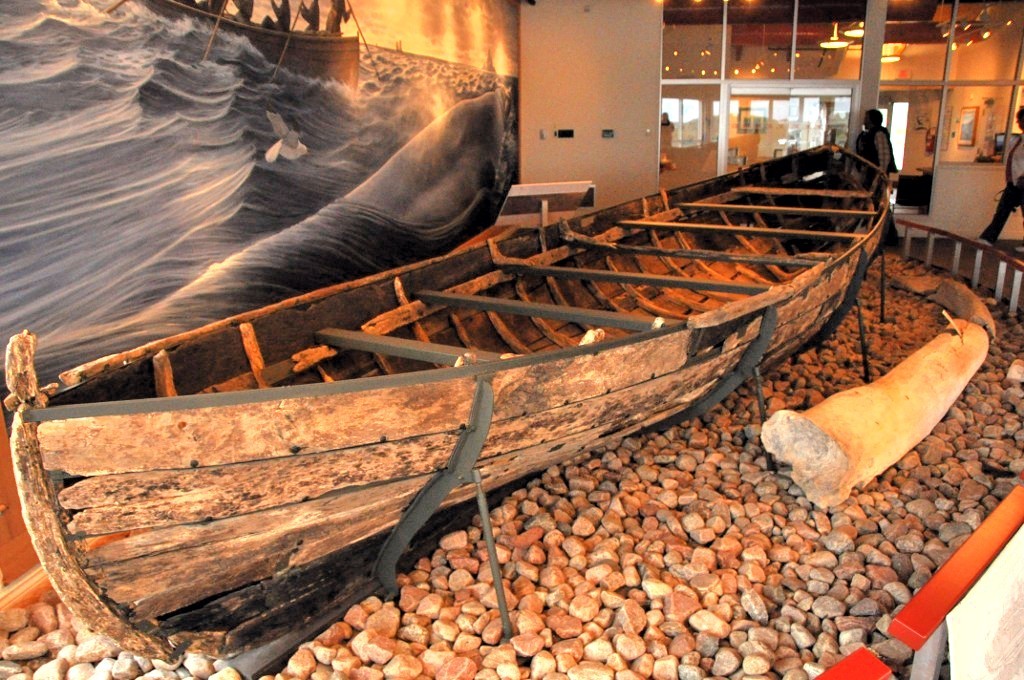
The nao San Juan sank off the coast of Red Bay, Labrador province, in 1565 ready to return to the Basque Country after several months of work. There were no casualties, but the ship and almost all the goods stored on it were lost. Almost 500 years later this ship was found at the bottom of the sea and recovered piece by piece for its study. Today, once again underwater for conservation, it is the origin of the Sea Factory of the Basques Albaola.
Sea Factory of the Basques
Albaola, as it is commonly known, is a museum in which a replica of the San Juan is being reconstructed using the same techniques used in its original construction, that is to say, with 16th century techniques. Albaola is, therefore, a living museum, as the ship is evolving and each new visit gives us a new version of the vessel, so it is advisable to visit it from time to time.
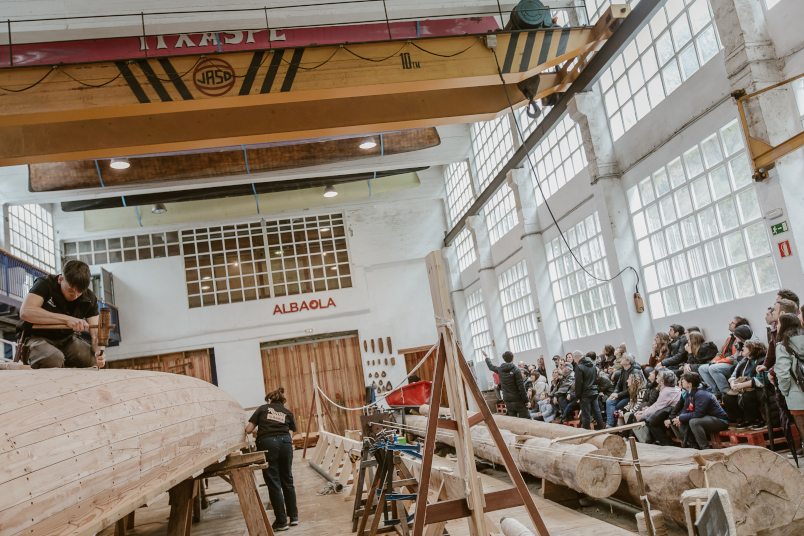
As well as seeing the ship and the carpentry workshop where there is always someone working, the museum tells us about the history of the San Juan, its discovery in Canada and what the whaling industry was like in the 16th century. It is a very interesting museum for all those who love the sea, history in general and Basque culture in particular. An essential museum for all those who visit us and who want to learn more about our idiosyncrasy.
The bay of Pasajes or Pasaia
Albaola is located in Pasajes San Pedro, very close to San Sebastian, which can be reached by bicycle, public or private transport or, why not, walking through the mountains or the city. Here, as well as visiting the museum, you can discover a town that is one hundred percent dedicated to the sea, where many of the locals work in the port or related industries, as the port of Pasaia is the second most important in the Basque Country after Bilbao.
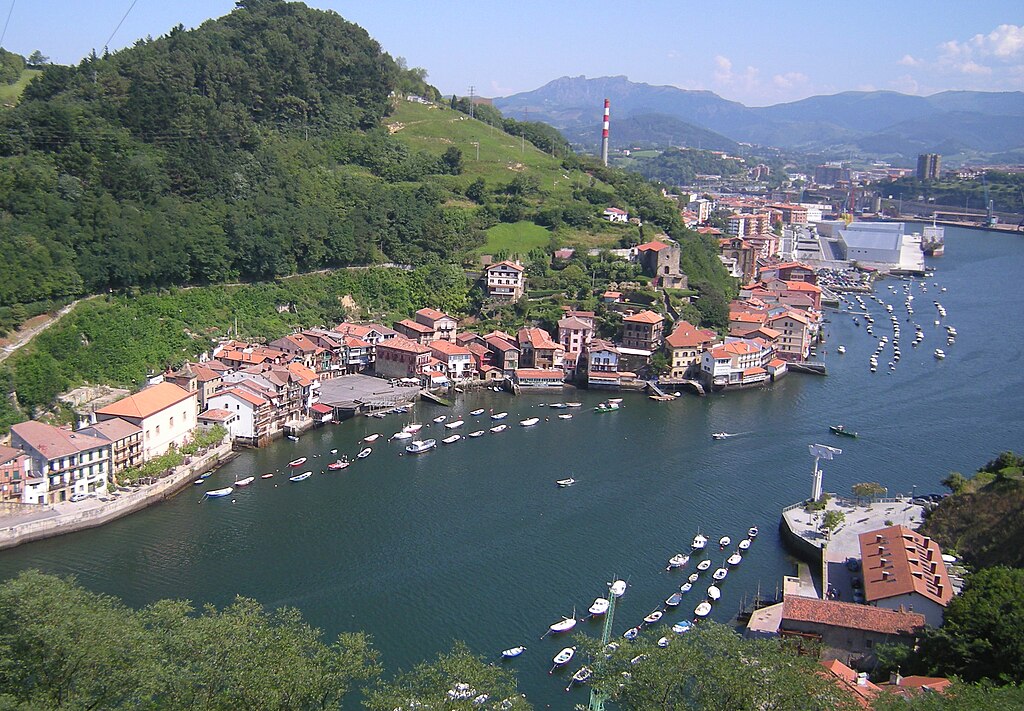
Opposite San Pedro, on the other side of the entrance to the bay of Pasajes, is the neighbourhood of San Juan, which can be reached by motorboat from San Pedro, and which has maintained its original architecture since precisely the 16th century. San Juan is the perfect place for a stroll to admire the houses, the landscape and the estuary of Pasajes, and why not, have a drink or a bite to eat in one of its many bars and restaurants specialising in fish. A great plan for the summer, or any day when the weather is good and the sea is calm.
We love Albaola, but also San Pedro and San Juan, and we are always looking for excuses to go, so we recommend you to visit the bay of Pasajes, you won’t regret it!

With nearly 10 years of experience as a local guide in San Sebastián, Hegoi has dedicated his career to showcasing the city from an authentic, local perspective through Free Walking Tour San Sebastián and Go Local San Sebastián. As a native of San Sebastián, he combines historical knowledge, local culture, and recommendations based on personal experience to create useful and reliable content on what to see, what to do, and how to experience San Sebastián like a local.